Bagley's: the King's Cross coal warehouse that became one of London's biggest clubs
A 19th century coal store, a Yorkshire glassmaker's name, and one of the biggest clubbing footprints London ever had.
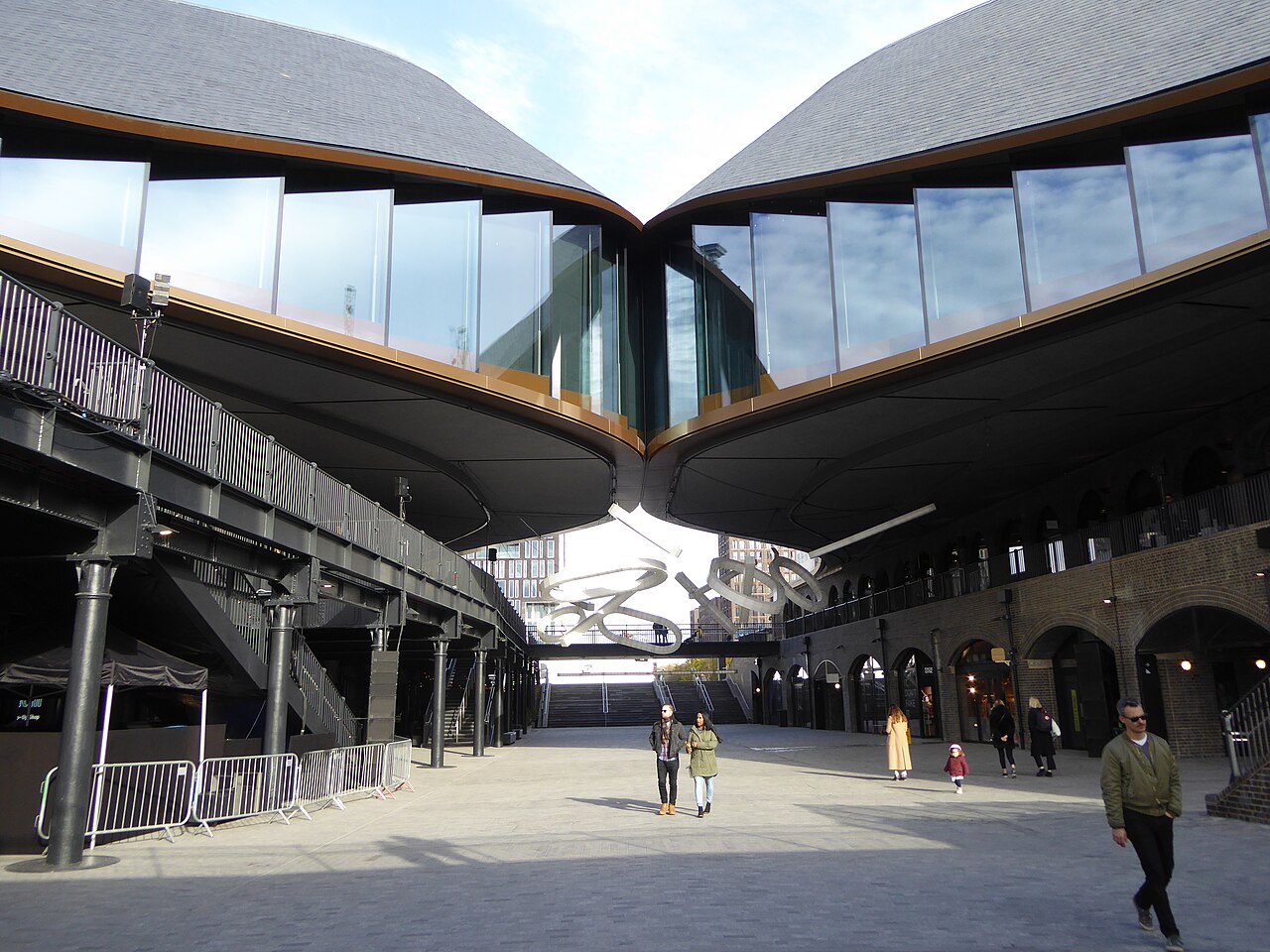
A coal warehouse, not a club, first
The building had nothing to do with music when it went up in 1851. It was built to store London's coal supply, part of the goods yard behind King's Cross station. The Bagley's name itself comes from Bagley, Wild and Company, a Yorkshire glass manufacturer that later took over part of the warehouse - the club inherited the name of a business that had nothing to do with nightlife either.
Tony Askew opened the club in 1991, on a lease reported at the time at £3 a week - a figure that says plainly what the King's Cross goods yard was worth to anyone before the area was redeveloped.
Growing into Bagley's Studios
What started as one warehouse space grew into a multi-room complex known as Bagley's Studios, big enough to host five-room events at once. World Dance, Mud Club, Freedom and Pushca all ran nights there across the venue's run - a roster that puts Bagley's alongside the handful of London spaces that shaped an entire decade of dance music rather than one scene within it.
The club was renamed Canvas in 2003, when Billy Reilly - who also ran the neighbouring venue The Cross - took over its running.
Closure, and Coal Drops Yard
Bagley's and The Cross closed together on New Year's Eve 2008, and the goods yard - which at its peak held three clubs' worth of space between them and The Key - was cleared out the following year.
The site is now Coal Drops Yard, a shopping and dining destination built into the same Victorian coal drop structures, opened as part of the wider King's Cross redevelopment. The building that once held one of London's biggest clubbing footprints does the same job today it was originally built for in 1851: storing goods, just retail rather than coal.