Culture & history
The history behind the scene.
The clubs that shaped this, the ones that closed and what stands there now, and the people carrying it on. Researched and sourced, not invented: every piece links to where the facts came from.
- 16 stories
- Sources on every piece
- 10 with licensed photos
- London. UK. Global.
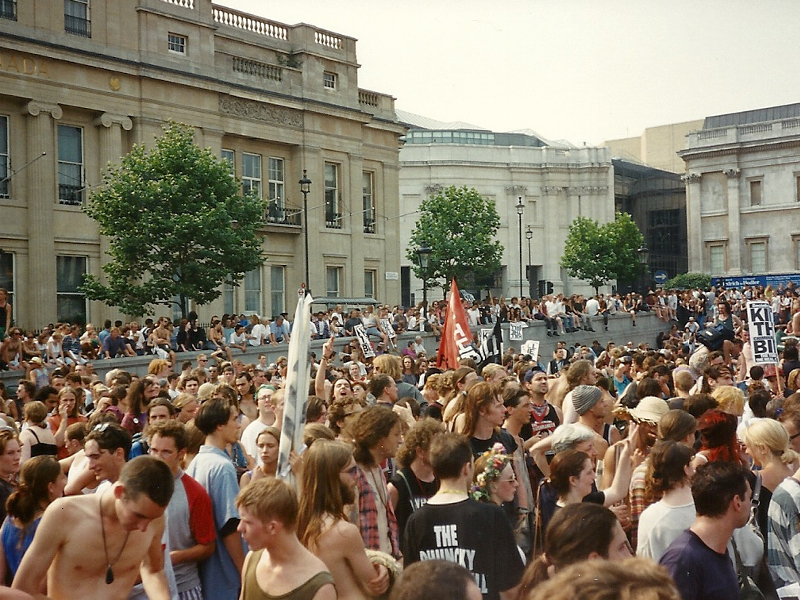 Featured storyThe law written to stop raves, and the 50,000 people who marched against itRead the story
 Explore the stories
Featured Articles
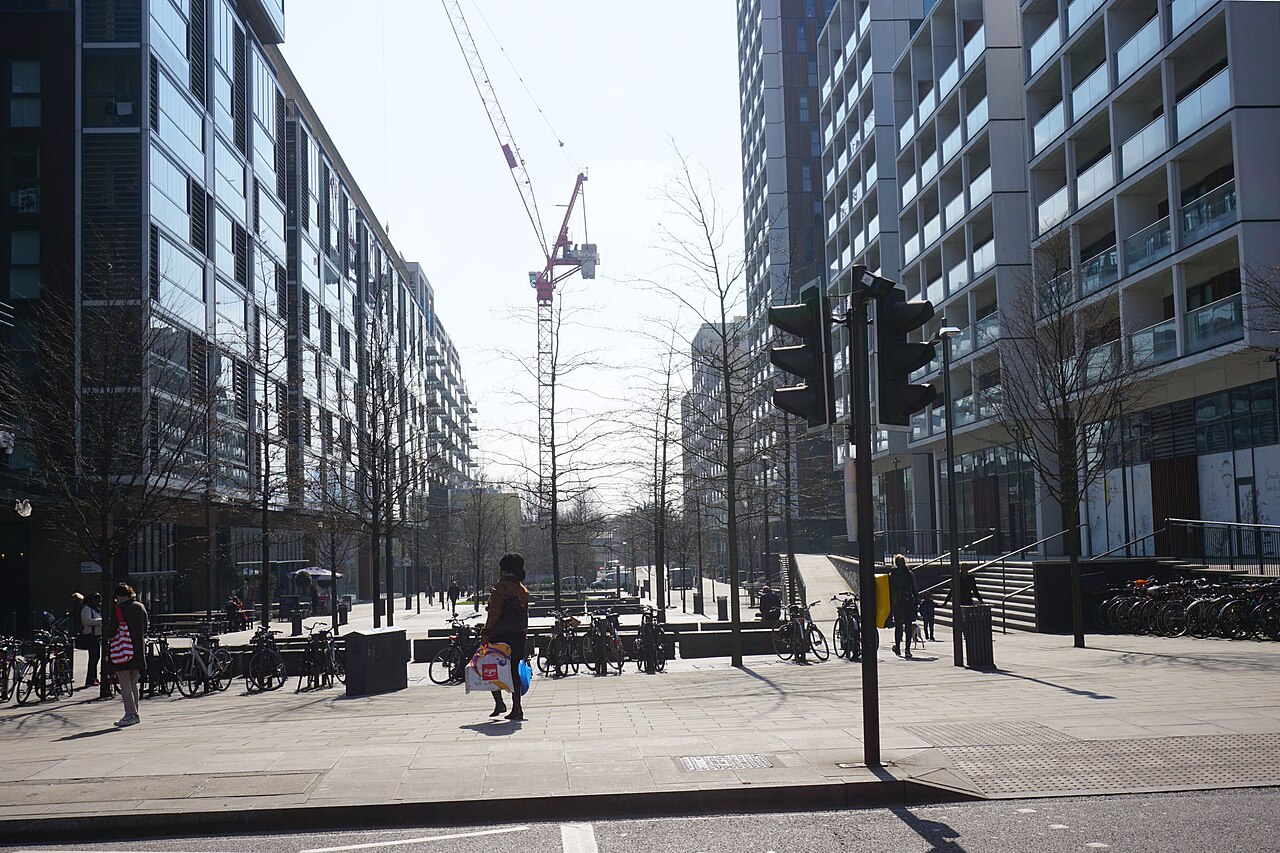 HistoryLabyrinth: the Dalston club that broke jungle, and the tower that replaced itBefore Dalston Square existed, the site was a warehouse rave that changed what British club music sounded like.Read
 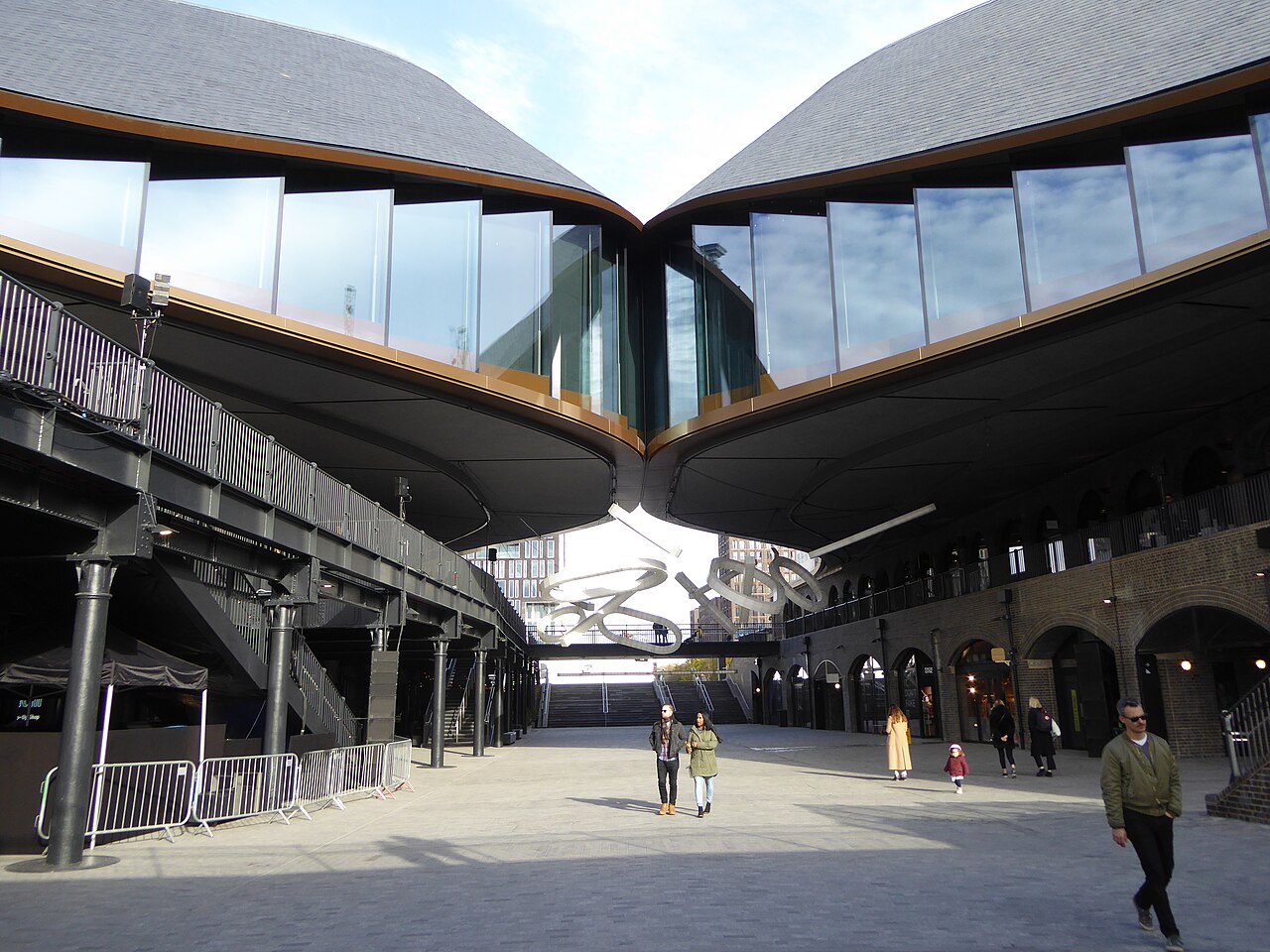 HistoryBagley's: the King's Cross coal warehouse that became one of London's biggest clubsA 19th century coal store, a Yorkshire glassmaker's name, and one of the biggest clubbing footprints London ever had.Read
 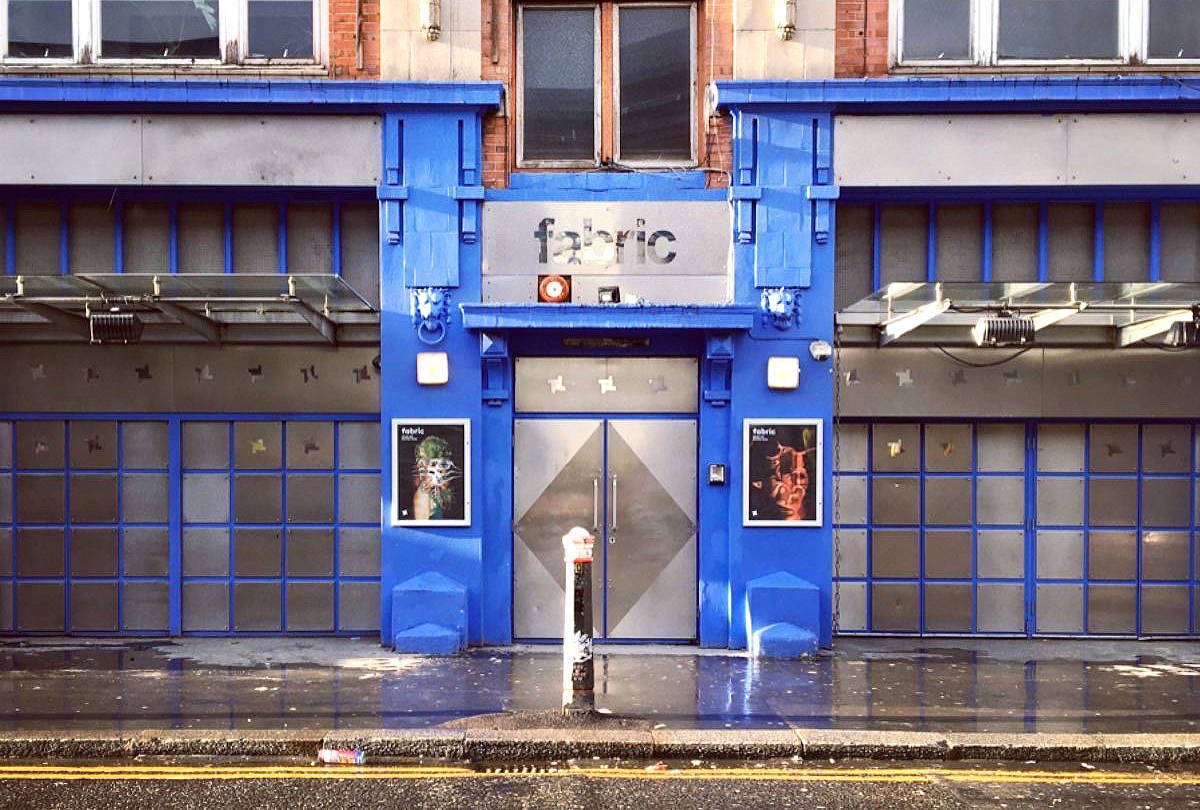 HistoryFabric: the club that got shut down and got the country to fight for it backVoted the best club in the world twice over, then closed by the council that licensed it - and reopened after the loudest campaign British clubbing has run for itself.Read
 - Bellyman and Car BarzProfileBellyman and Car Barz: the freestyle series that turned a car ride into a stageNo stage, no crowd, no lighting rig - just a moving car and whoever's in the passenger seat. Car Barz has outlasted formats with a lot more production behind them.Read
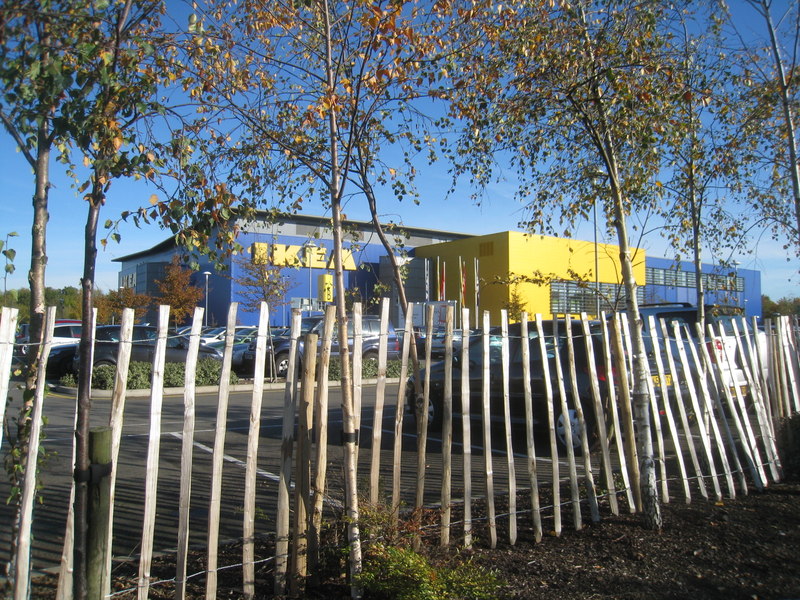 HistoryThe Sanctuary: the Milton Keynes shed that hosted a million ravers, now an IKEABuilt speculatively for indoor cricket, used instead to host roughly a million ravers over thirteen years - and the flatpack furniture store that stands there now.Read
 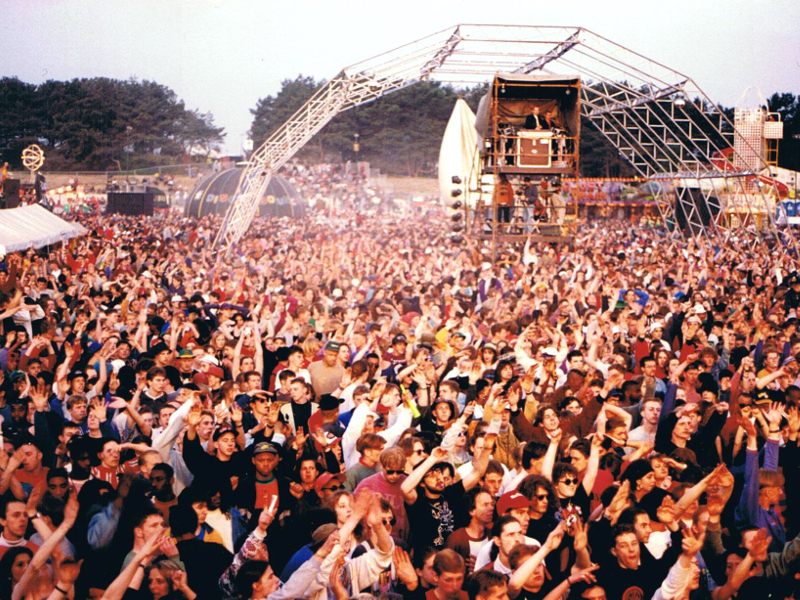 HistoryFantazia: the promoter behind the biggest indoor rave Britain had ever seenThree co-founders, six years, and a run of raves that got bigger every time - up to 28,000 people at Donington Park in one weekend.Read
 - HistoryThe law written to stop raves, and the 50,000 people who marched against itOne free festival in a field in Worcestershire ended with a law naming the actual sound of the music as the thing being banned.Read
- Helter SkelterHistoryHelter Skelter: the promoter that outlasted the venue it was built onStarted by a married couple inspired by the M25 orbital raves, and still running events fifteen years and several venues later.Read
- Tribal GatheringHistoryTribal Gathering: the rave that grew into the UK's first legal all-nighterStarted in a field near Warminster in 1993 and ended up giving Kraftwerk their first UK show in five years.Read
- SunriseHistorySunrise: the parties that turned acid house into a national panicA private members' club on paper, an unlicensed rave in practice, and the television coverage that turned a dance scene into a moral panic.Read
- RaindanceHistoryRaindance: the promoter still running, thirty-five years after it startedMost of the names in this section stopped. Raindance is still booking rooms.Read
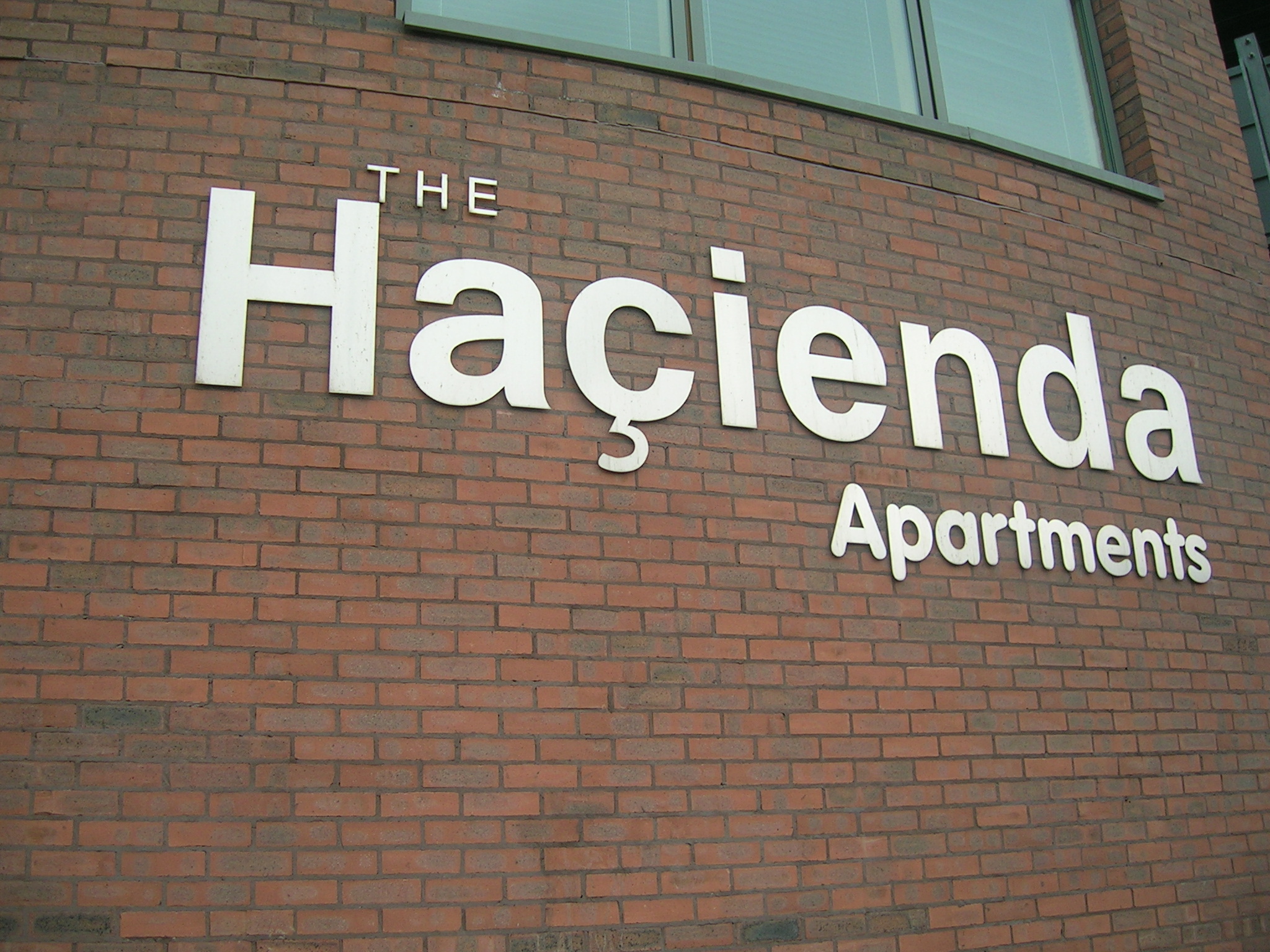 HistoryThe Haçienda: the club a record label built, and lost £18 million onOpened by a record label that could not really afford it, on a bet about what a nightclub could be - and it took Manchester's club culture with it when it finally closed.Read
 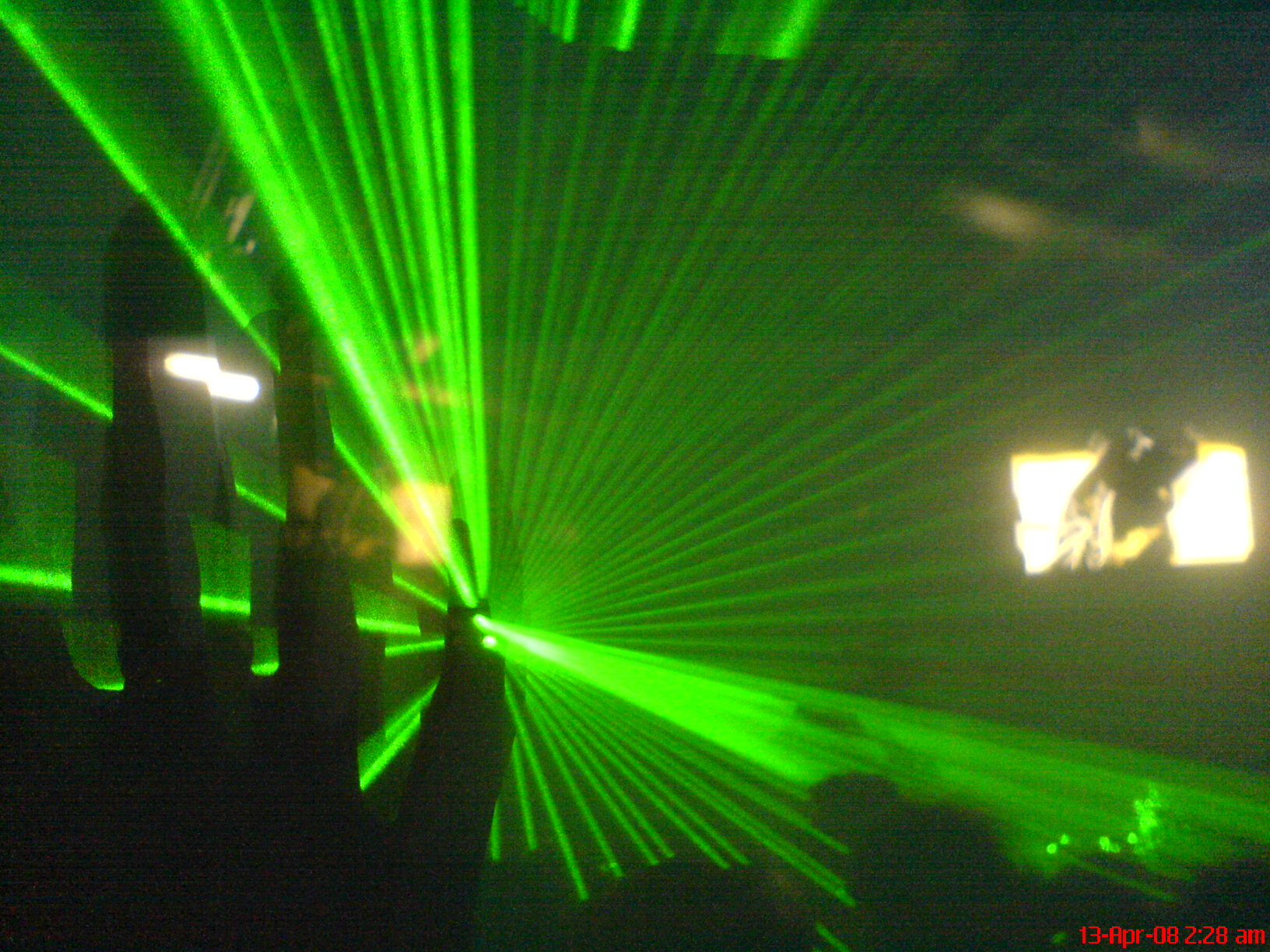 HistoryMinistry of Sound: the club built sound-system first, everything else secondMost clubs design the room and add the speakers. Ministry of Sound spent its first £500,000 on sound before anything else existed.Read
 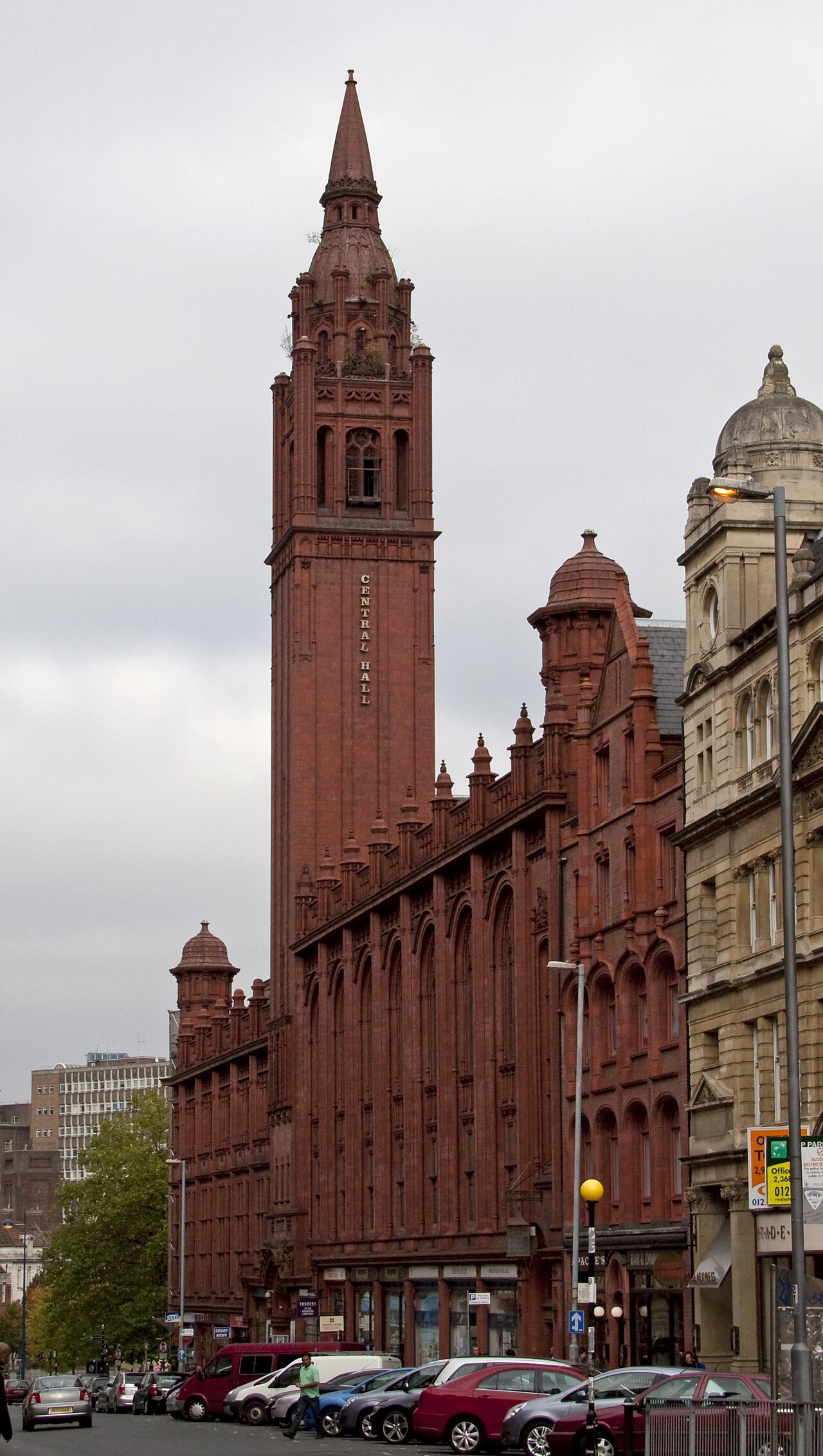 HistoryQue Club: the rave that took over a Methodist church for nearly three decadesA Gothic Revival church hall built in 1904, still Grade II-listed, and the rave promoters who filled it for the best part of thirty years.Read
 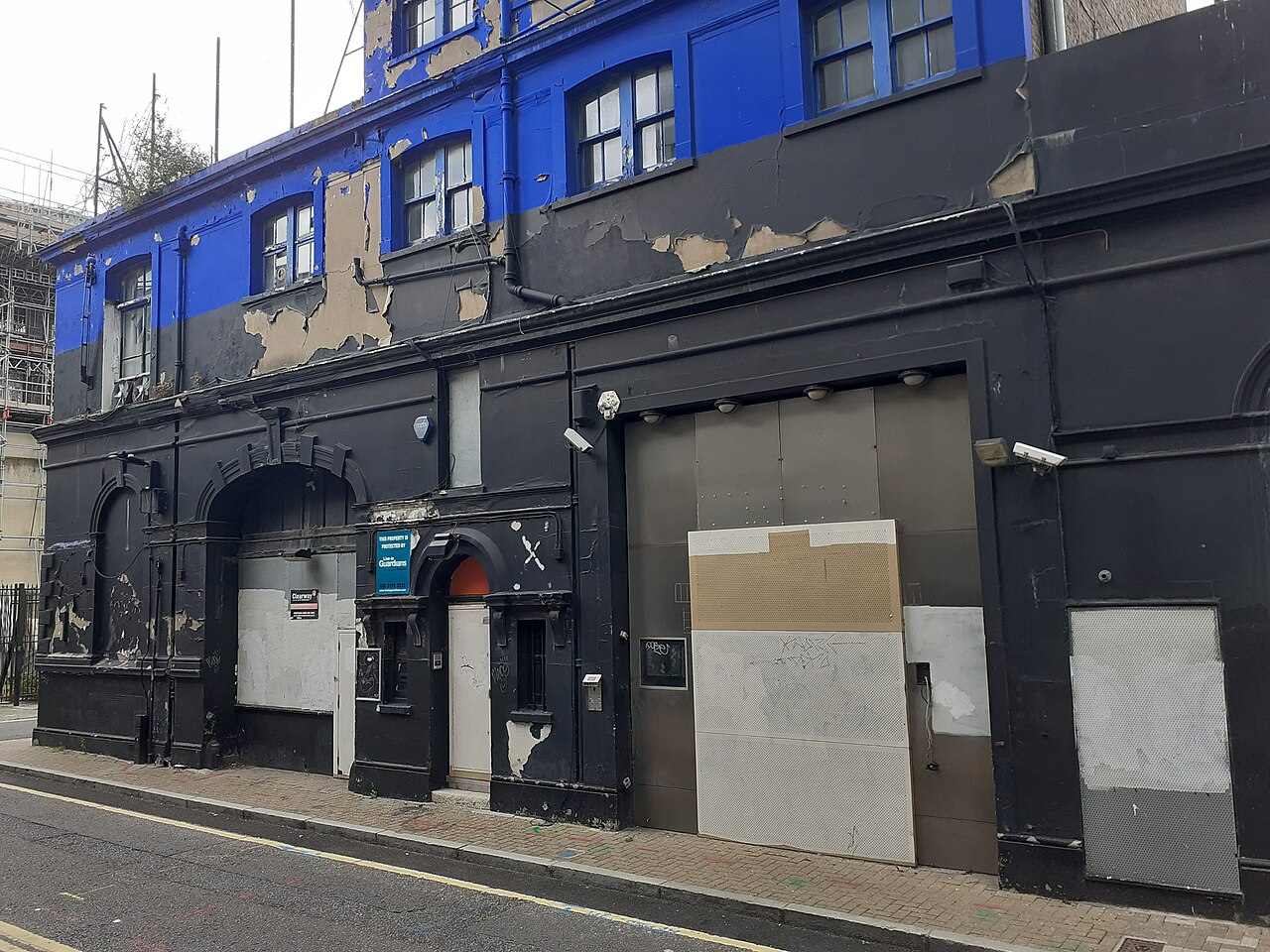 HistoryThe End: the club built by two DJs that gave LCD Soundsystem their second-ever showTwo DJs, a £250,000 bank loan and a former Post Office building - and fourteen years later it had hosted a Mercury Prize winner and Fatboy Slim's UK number one, both while playing there.Read
 - PezProfilePez: the Hackney graffiti writer who drew rave's golden ageNo Photoshop, no shortcuts - every flyer was drawn and painted by hand. Pez turned a photocopied handbill into one of the only visual languages rave ever had.Read
The stories keep going