Labyrinth: the Dalston club that broke jungle, and the tower that replaced it
Before Dalston Square existed, the site was a warehouse rave that changed what British club music sounded like.
Before it was Labyrinth
The building on Dalston Lane had already lived several lives before Labyrinth. It opened in 1966 as the Four Aces Club, in a space that had previously been the North London Colosseum and Amphitheatre and, before that, a cinema. The Four Aces became one of the first UK venues to regularly play black music, and its own history - reggae, soul, ska, a Windrush-generation audience finding a room that would have them - runs well before the rave scene that followed it.
Labyrinth started inside that same building as illegal warehouse parties in 1988 and 1989, at the height of acid house, founded by Joe Wieczorek. It became a licensed venue in 1990.
Acid house in, jungle out
The club's own sound moved with the decade rather than staying still. It opened on acid house, followed the wider scene into hardcore as house got more commercial, passed briefly through breakbeat, and landed on drum & bass and jungle in the early 1990s - the sound it is now most remembered for.
The Prodigy are widely credited with making their name at Labyrinth, playing the club in its early hardcore years before the wider country had caught up with what was happening in Dalston.
Closure, and what stands there now
Labyrinth was forcibly closed in 1999, and the building was made subject to a compulsory purchase order by Hackney Council. It sat derelict for nine years before being demolished in 2007.
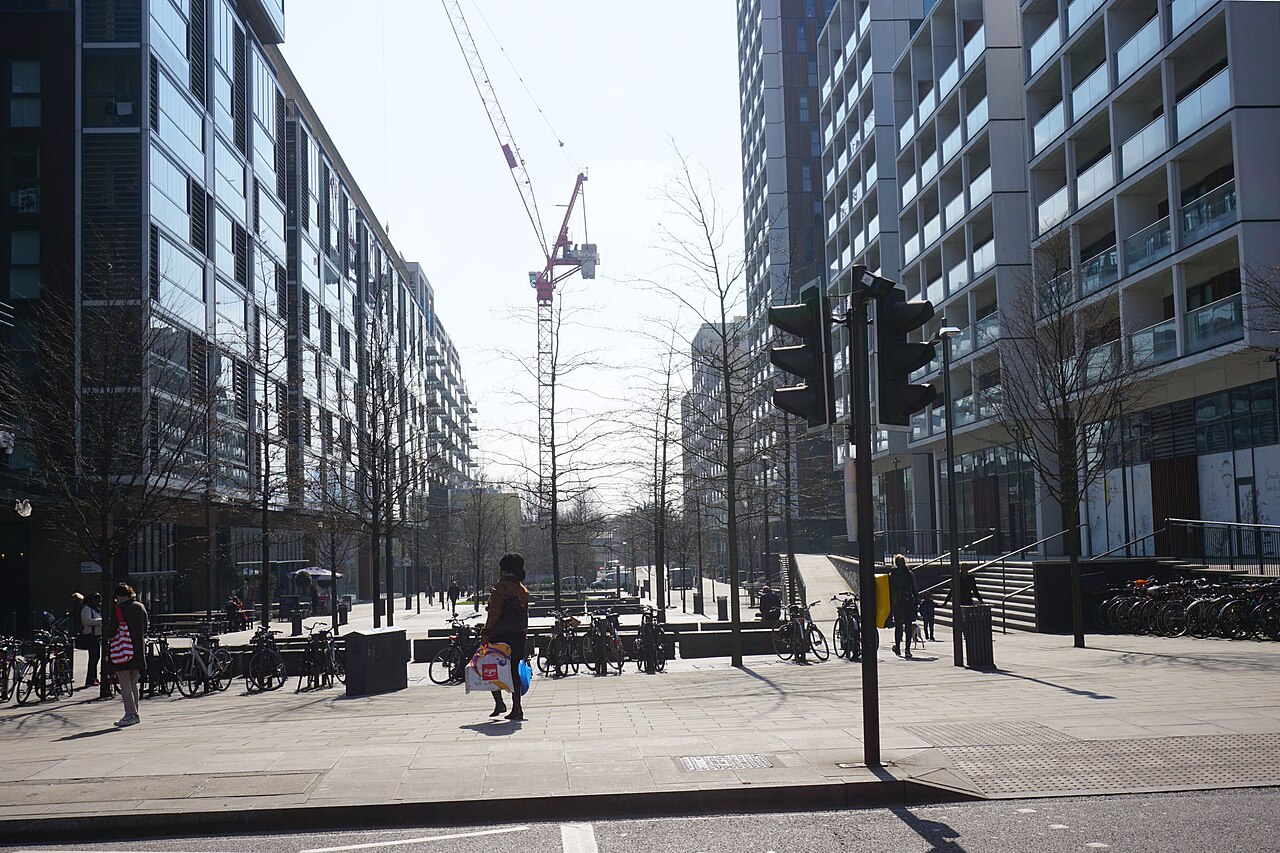
The site is now Dalston Square, a mixed residential and retail development built with Hackney Council, Transport for London and Barratt Homes. One of its towers is named Labyrinth Tower, 42 flats standing on the ground the club once occupied - a direct, deliberate nod from the developers to what was there before.