The Scene
How jungle became drum and bass
It began on a pirate station in Clapton in 1991 and ended up winning the Mercury Prize. How the UK built its own sound, and where to hear it now.
By On The Door team · · 3 min read
Most music comes from somewhere else and gets a British accent. Jungle did it the other way round. It was built here, in London flats and on rooftops with a pirate aerial, out of records from Jamaica and America that somebody here sped up, chopped and bent into a shape nobody had heard before. Then it travelled. If you want to know why a Thursday night in a basement in Bristol still sounds like it does, start with a station in Clapton.
It started on the radio
Kool FM first went out on 28 November 1991, on 94.5 FM from Clapton in north east London. It was a pirate station, which means it was never meant to exist, and it is still generally regarded as one of the places that made jungle what it was. That matters more than it sounds. Before any club would book it and before any record shop gave it a rack, there was a signal in the air that anyone with a radio could find, and people tuned in because there was nowhere else to hear it.
That is the pattern with British music. It starts where the rules are loosest, with the crowd that has less money and fewer doors open to it, and it only gets a room once it has already won.
Then it got a home
By the mid nineties there were labels with real shape. RAM Records began in 1992, started by Andy C with his friend Ant Miles. Metalheadz arrived in 1994, set up by Kemistry and Storm with Goldie, and in July 1995 it launched the Sunday Sessions at the Blue Note club in London, a weekly night that became legendary. A couple of months later, in September 1995, Goldie's debut album Timeless came out and a lot of people who had never been to a jungle night heard what all the fuss was about.
Hospital Records followed in 1996, started by Tony Colman, who records as London Elektricity, and Chris Goss. It tells you something that three labels with very different sounds, all of them still going decades later, were all set up inside a few years of each other. That was a scene finding out it was a scene.
The year the establishment noticed
In 1997 Roni Size and Reprazent won the Mercury Prize for New Forms, beating The Prodigy and Radiohead to do it. A drum and bass album took the biggest music prize in the country. Whatever you think of prizes, it was a line in the sand. The sound that began on a pirate frequency was now being talked about by people who had never stood in a queue for a jungle night.
What the sound actually is
If you are new to it, here is the short version. Jungle runs on breakbeats, drum patterns cut up and rearranged until they race, with heavy sub bass underneath, and the roots in reggae and dancehall are never far away. As the sound tightened and moved on it picked up the name drum and bass, and it split into lanes: the smooth and soulful end, the dark and heavy end, the rolling dancefloor end. Today you can find all of it, from the old school records to the newest producers, on the jungle and drum and bass pages here, with the nights that are on right now.
Why it still matters
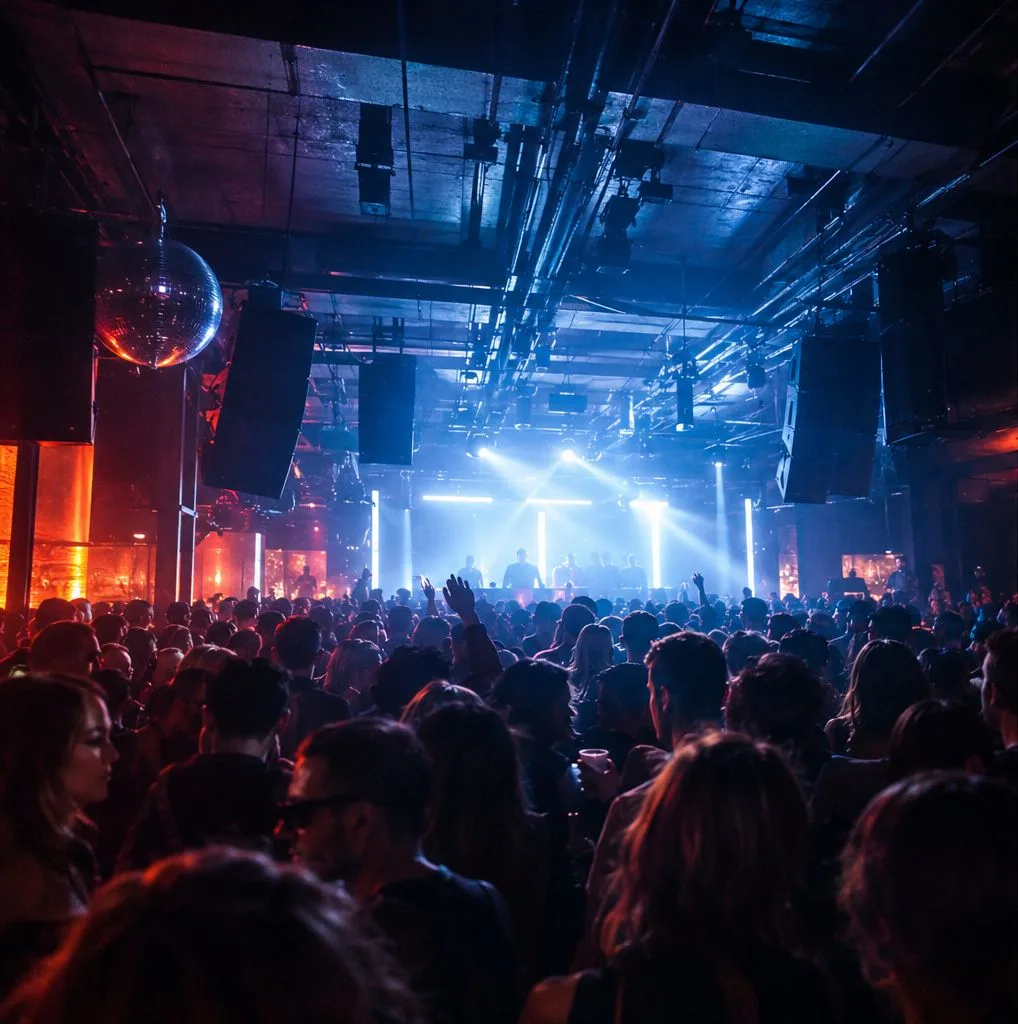
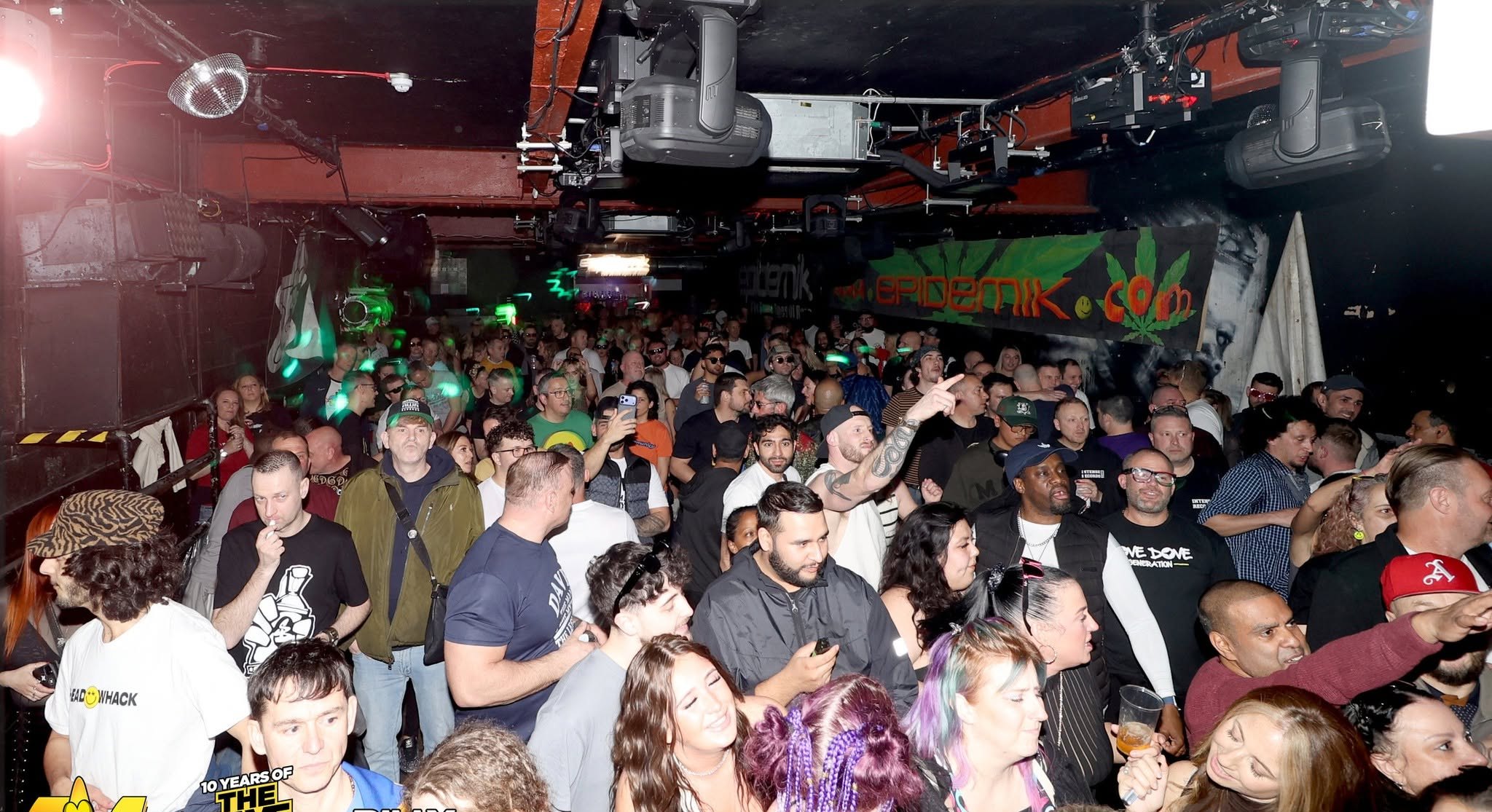
Because it is ours, and it is still alive. The labels above are still releasing records. The nights are still on, week after week. You do not need a history lesson to enjoy a good night, but knowing where it came from makes the room mean a bit more.
If you want to hear it, go. Pick a night off the listings, check the line up, and go and stand near the speakers. That is where the story is still being written.